Kochi and the Kerala Waterways
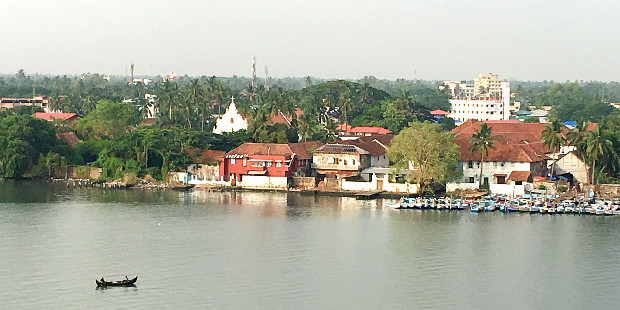
Arriving in Kochi (Cochin) India, we headed straight for Alleppey and the Kerala Backwaters. Known as the “Venice of the East”, this area is a vast network of lagoons, lakes, and canals along the southwestern Malabar coast which have been the conduit of trade and transport for centuries. Nowadays, tourists on houseboats also ply the waterways past villages, paddy fields and swaying palms.
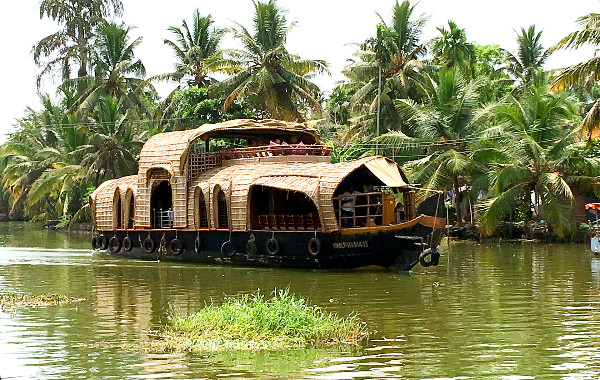
We were booked on a houseboat, which is a popular form of transport for tourists here. Converted from traditional rice and spice barges, these bamboo houseboats come complete with bedrooms, toilets, open decks and crew, including chefs who prepared regional dishes for our buffet lunch.
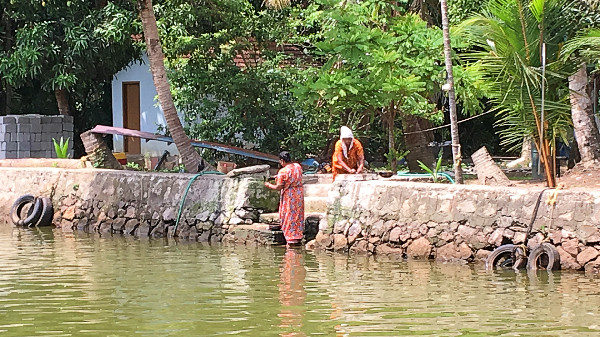
As we glided along the way we spotted heron, egrets and kingfishers and other birdlife on the riverbank and in the vegetation, as well as villagers going about their daily lives. Women were washing clothes, men were bathing and children were playing in the the canals.
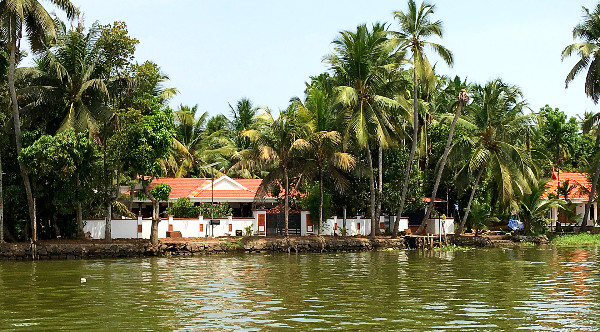
A number of more upmarket buildings turned out to be Ayurvedic resorts. It certainly was a suitably serene location for them in the waterways.
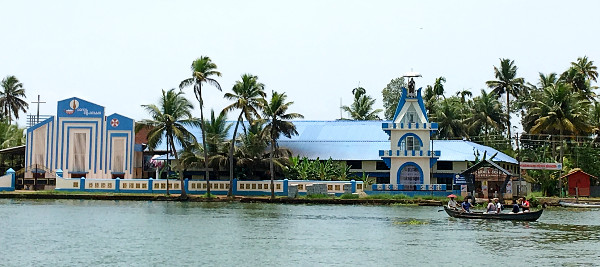
Other establishments we saw were schools, temples and churches such as this one – Mt Carmel College.
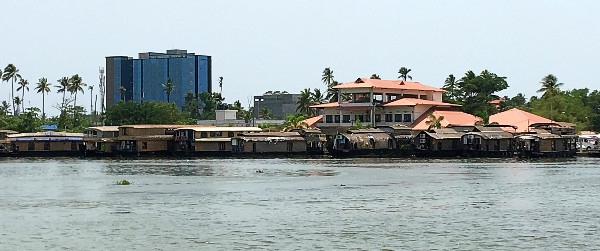
As we neared the main city of Kochi the built landscape contrasted greatly with the rural area we had experienced. Along the riverside dozens of houseboats not in service demonstrated just how busy the waterways could be in cooler, more touristy periods.
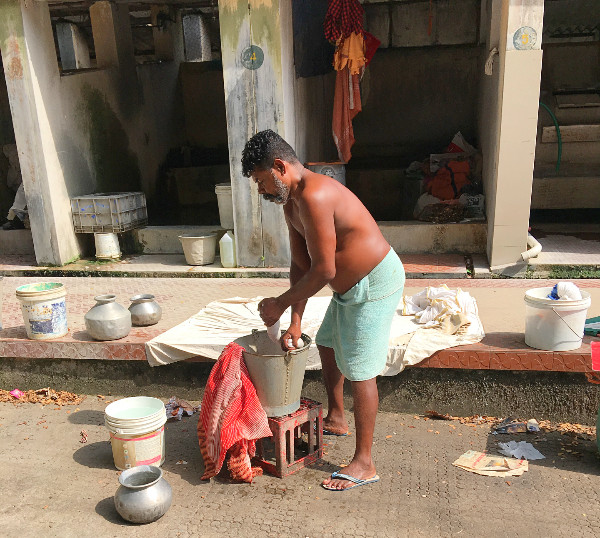
On the way back into town we stopped by the local laundry – Dhobi Khana. This traditional laundry has been operating for generations since the arrival of Dutch and Portuguese armies, using simple handwashing techniques. Each cubicle holds a wash pen and water tank, used by one family. The men do the washing and women help with drying and ironing.
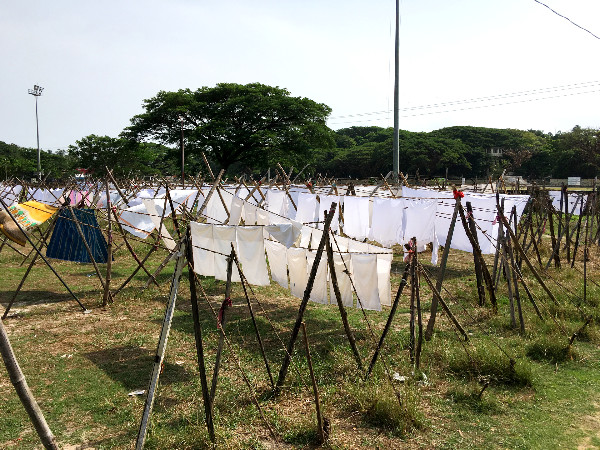
Done also on a commercial scale for hotels and hospital, there are also some primitive-looking machines, but most work is very labour intensive. Ironing is done with irons heated over charcoal as well as with old electric ones. To starch cotton clothes they are dipped in rice water before drying. No pegs are used; instead, clothes and sheets are tucked between the ropes so they can’t be blown off. Only during monsoon season are dryers used.
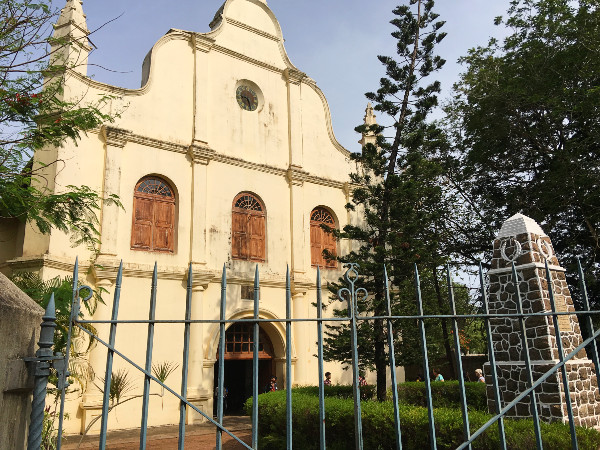
St Francis Church was built by Portuguese Franciscan Friars in 1503 in the area known as Fort Kochi. When explorer Vasco da Gama died there in 1524 his remains were buried in the church, however they were removed to Lisbon 14 years later. When the Dutch arrived in 1663 they established a cemetery nearby. A cenotaph in the front of the church commemorates those locals who died in WW1.
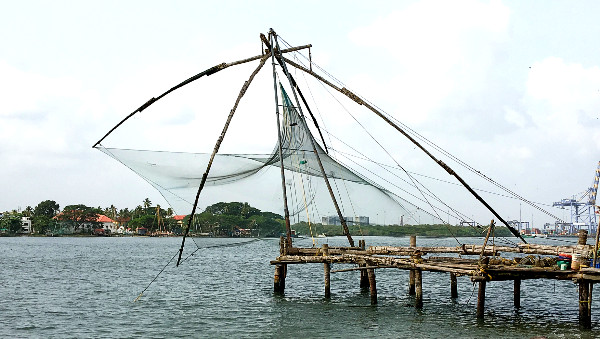
The Chinese fishing nets along Fort Kochi beach were introduced from China around the early 15th century. Attached to bamboo and teak poles, the cantilevered nets are raised and lowered by counterweights of stones. It takes at least four men to operate this finely balanced device. The nets have become a popular tourist attraction. There were also dolphins swimming in this waterway while we were there.
This was our first introduction to India, so different to anything we had experienced before. The next stop on our cruise was to be Goa. It was highly anticipated.